FAQs on Eye Examinations
How often should I have an eye exam?
Adults should have a comprehensive eye exam every two years, or annually if you wear glasses or contact lenses, are over 65, or have a family history of eye disease. Children should be seen before starting school and regularly throughout their school years. Your optometrist will advise the right schedule for you.
Are eye exams covered by Medicare in Australia?
Yes optometry consultations are covered by Medicare for eligible patients. Just like many GP practices, we charge for professional services and you receive the Medicare rebate back into the bank account you have registered with Medicare. Additional tests or specialty services may attract a separate fee. We continue to bulk bill consultations for children, students and pensioners.
What happens during a comprehensive eye exam at Beckenham Optometrist?
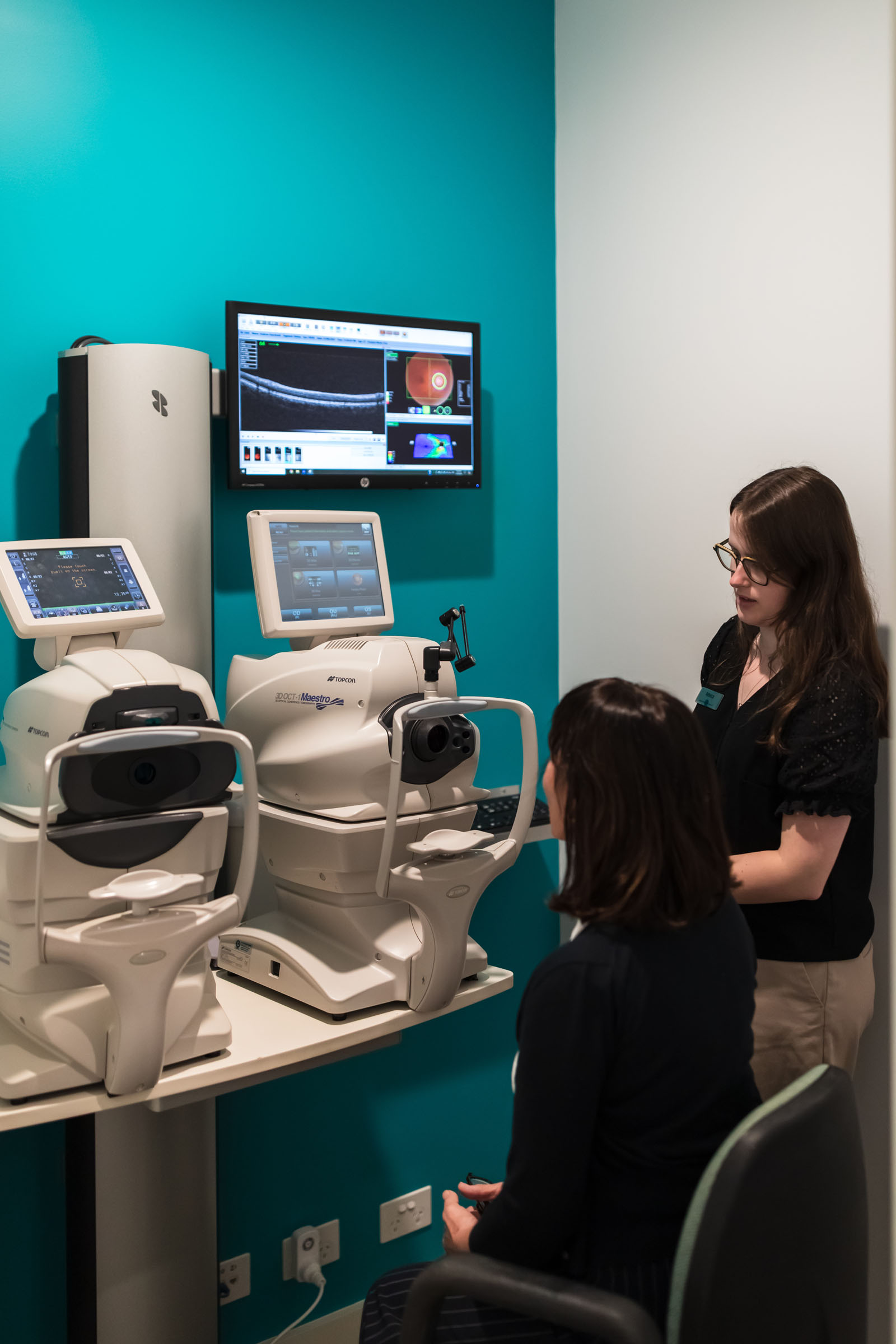
A comprehensive eye exam checks your vision, optical prescription, eye coordination, and eye health. We use advanced diagnostic technology to examine the front and back of your eyes, screening for conditions like glaucoma, macular degeneration, and cataracts – many of which have no early symptoms. The exam takes approximately 30–45 minutes.
Can an eye exam detect health problems beyond my eyes?
Yes. An eye exam can reveal signs of systemic conditions including diabetes, high blood pressure, and even certain neurological issues – often before other symptoms appear. The blood vessels and nerves visible in your eyes offer a unique window into your overall health, which is one reason regular exams matter even if your vision seems fine.
How do I know if I need glasses?
Common signs include blurry vision at distance or up close, headaches after reading, eye strain, squinting, or difficulty seeing at night. However, many vision problems develop gradually and can go unnoticed – a comprehensive eye exam is the only reliable way to know whether a prescription would help you.