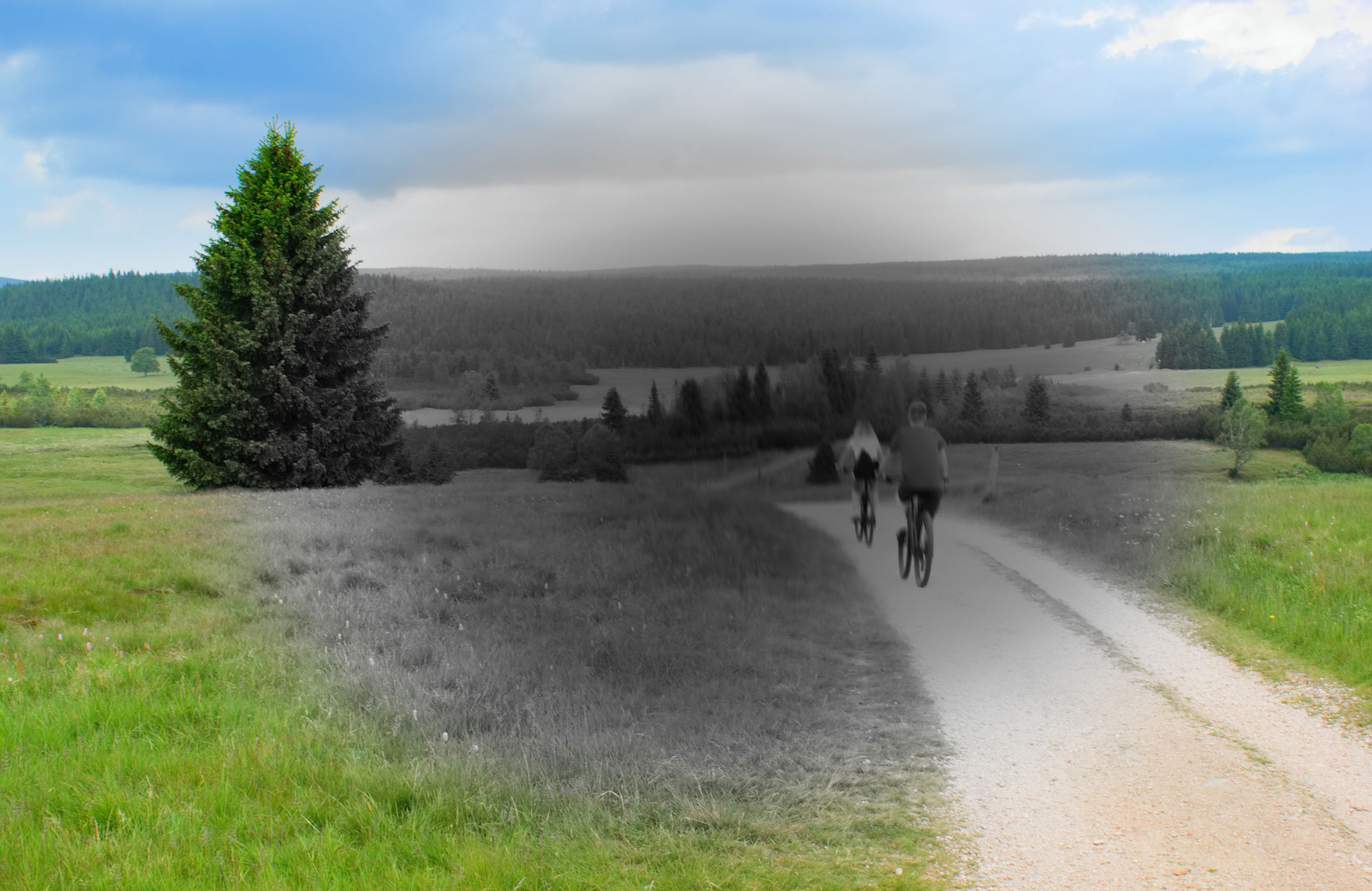
Understanding Macular Degeneration

Macular disease causes loss of central vision where the finely tuned cells in the centre of the retina become damaged.

We don’t know the cause of age-related macular degeneration, but we do know that there are certain risk factors for the development. Research indicates it may be related to a combination of heredity and environmental factors, including smoking and diet.

There are 2 types including of macular degeneration:

  • Dry (atrophic): caused by the gradual atrophy (loss) of retinal cells. It may lead to a gradual loss of central vision. There are new and evolving treatments for the dry form.
  • Wet (neovascular): caused by the formation of fragile blood vessels which leak fluid and blood within and under the retina. It often leads to a rapid loss of central vision. Loss of vision in one eye may go unnoticed if vision in the fellow eye is good. People with dry macular degeneration don’t have these abnormal or fragile blood vessels yet, but they are at an increased risk for developing the vessels at some point.
Macular-degeneration-treatment-in-avalon
Macular Degeneration

Reducing the Risk

The biggest issue with macular degeneration is that it generally doesn’t have symptoms in the early stages for most people and the only way to reduce the risk of progression is by regular review and advice on diet and lifestyle choices.

It’s important to note 50% of patients that have macular degeneration also have a family member that has been affected with the condition.

macular degeneration

Guarding against Macular Degeneration

If there are risk factors identified in your eye examination, our optometrists will discuss the evidence around adjusting your diet or taking a supplement to include the AREDs II research to minimise progression of early macular degeneration.

Dietary adjustments could include ensuring you have leafy green vegetables every day particularly the darker greens like spinach, kale and broccoli. A handful of nuts (almonds, walnuts or brazil nuts) each week, and a serve of oily fish (salmon, tuna or sardines) 2-3 x/week.

Click to find out more

Macular Disease Foundation Australia

FAQs on Macular Degeneration

What is macular degeneration?
Age-related macular degeneration (AMD) affects the macula – the central part of the retina responsible for detailed, central vision. It is the leading cause of vision loss in Australians over 50. AMD affects your ability to read, recognise faces, and see fine detail, while peripheral vision usually remains intact.
What is the difference between dry and wet macular degeneration?
Dry AMD is the more common form, involving the development of drusen (fatty deposits) under the retina. The effect of this is to block the nutrition getting to the retinal cells causing a gradual thinning of macular tissue. Wet AMD is less common but more severe, involving abnormal blood vessel growth under the retina that can leak and cause rapid vision loss. Wet AMD requires urgent treatment – if you notice sudden distortion or dark patches in your central vision, seek care immediately.
Can macular degeneration be prevented?
While age and genetics are the primary risk factors, lifestyle plays a significant role. Not smoking is the single most impactful modifiable risk factor. A diet rich in leafy greens and fish, maintaining a healthy weight, protecting eyes from UV, and managing cardiovascular health all contribute to reducing risk. Nutritional supplements (AREDS2 formula) may slow progression in AMD.
How is macular degeneration monitored?
At Beckenham Optometrist we use OCT (optical coherence tomography) imaging to examine the layers of the retina in fine detail – detecting changes in the macula often before symptoms are noticeable. Regular monitoring is essential for anyone at risk or with early AMD, as early detection enables earlier intervention.
What is the Amsler grid and should I use one?
The Amsler grid is a simple home monitoring tool – a grid of straight lines with a central dot. If lines appear wavy, distorted, or a patch seems missing, it can be an early indicator of changes from dry to wet AMD. Anyone with intermediate AMD or those at high risk of progression should review a grid weekly (with each eye covered sequentially and reading glasses on) and contact their optometrist immediately if changes appear.

For healthy eyesight

Comprehensive eye exam every 2 years

For long term healthy eyesight, it is vital to have a comprehensive eye exam every 2 years. If over 65 years of age, annual exams are recommended. If there are other risk factors, more regular checks may be required.

15 Old Barrenjoey Rd,
Avalon Beach NSW, 2107

Call: (02) 9918 0616 Book an Appointment