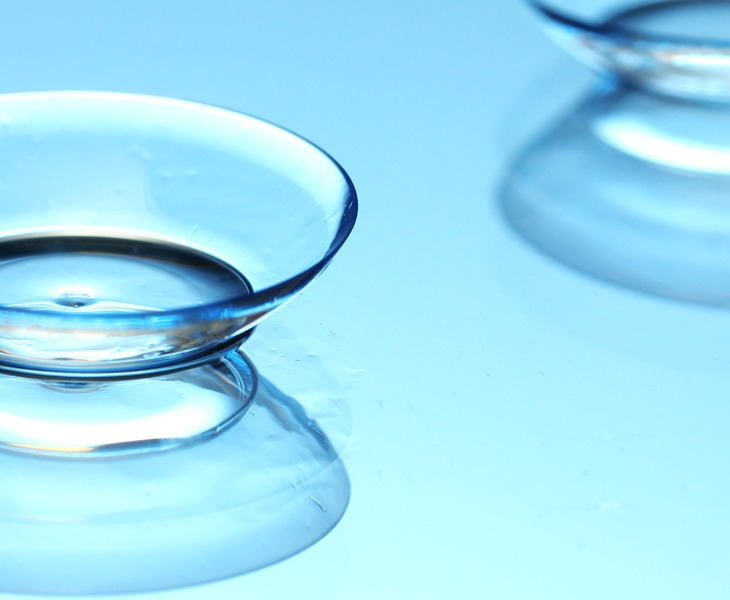
FAQs for Contact Lenses
Do I need a special prescription for contact lenses?
Yes. A contact lens prescription is separate from a glasses prescription and includes additional measurements specific to the fit and curvature of the cornea (the clear window) on your eye. Even if you have a current glasses prescription, you’ll need a contact lens fitting and assessment before lenses can be prescribed. These are done in a dedicated appointment at Beckenham Optometrist.
What happens at a contact lens fitting?
At your fitting appointment we’ll assess your corneal shape and eye health, trial you in an appropriate lens type, check the fit and your vision, and give you time to wear the lenses to gauge comfort. We’ll also show you how to insert, remove, and care for your lenses. A follow-up check is usually scheduled a week or two later.
Are daily, fortnightly, or monthly contact lenses better?
Each has its place depending on your lifestyle, prescription, and eye health. Daily lenses are the healthiest option – each lens is fresh, reducing the risk of deposit build-up and infection – and are ideal for part-time wearers. Fortnightly and monthly lenses are more cost-effective for those wearing lenses full time. Your optometrist will recommend what suits you best.
Can I sleep in my contact lenses?
Most standard soft contact lenses are not approved for overnight wear and should be removed before sleep. Sleeping in lenses significantly increases the risk of eye infection and corneal complications. The exception is orthokeratology (Ortho-K) lenses, which are specifically designed to be worn overnight and removed in the morning. Ask your optometrist during your consultation if overnight wear options are appropriate for you.
Can I wear contact lenses if I have astigmatism?
Yes. Toric contact lenses are specifically designed for astigmatism and are available in daily, fortnightly, and monthly options. Fitting toric lenses requires a little more precision than standard lenses as they need to sit in the correct orientation on the eye – your optometrist will take additional measurements to ensure a good fit.
Can I wear contact lenses if I need reading glasses?
Yes – multifocal contact lenses are designed for people who need correction at both distance and near, including those who would otherwise need reading glasses. They work differently for different people, so a trial period is important. Blended or monovision (correcting one eye for distance and one for near) is another option your optometrist can discuss with you.
How do I know if contact lenses are right for me?
Most people with a refractive error (short-sightedness, long-sightedness, or astigmatism) are suitable candidates for contact lenses. Factors like eye shape, tear film quality, and lifestyle all play a role. If you have dry eye, that doesn’t necessarily rule out lenses – there are lens types and care routines that work well for dry eye sufferers. The best starting point is a conversation with your optometrist.
Are contact lenses safe for children and teenagers?
Contact lenses can be suitable for children depending on maturity, motivation and parental involvement. Younger children with high prescriptions can benefit in confidence when participating in sport, and teenagers are often excellent contact lens wearers. For younger patients interested in contact lenses for myopia control, soft contact lens options are available. Our optometrists can assess suitability at your child’s appointment and guide you through the options.