FAQs on Glaucoma
What is glaucoma?
Glaucoma is a group of eye conditions that damage the optic nerve, typically (but not always) associated with elevated pressure inside the eye. It is one of the leading causes of irreversible blindness worldwide. Vision loss from glaucoma begins in the periphery and advances slowly – most people are unaware anything is wrong until significant damage has occurred.
Who is at risk of glaucoma?
Risk factors include: a family history of glaucoma (particularly in first-degree relatives), being over 50, high intraocular pressure, thin corneas, certain medical conditions like diabetes or high blood pressure, and being of African or Asian descent. If you have a family history of glaucoma, regular screening is especially important.
Can glaucoma be cured?
Glaucoma cannot be cured, but it can be effectively managed to prevent vision loss. Treatment options include eye drops to lower eye pressure, laser treatment, or surgery. The key is early detection – vision already lost to glaucoma cannot be recovered, which is why regular comprehensive eye exams are critical.
How is glaucoma detected?
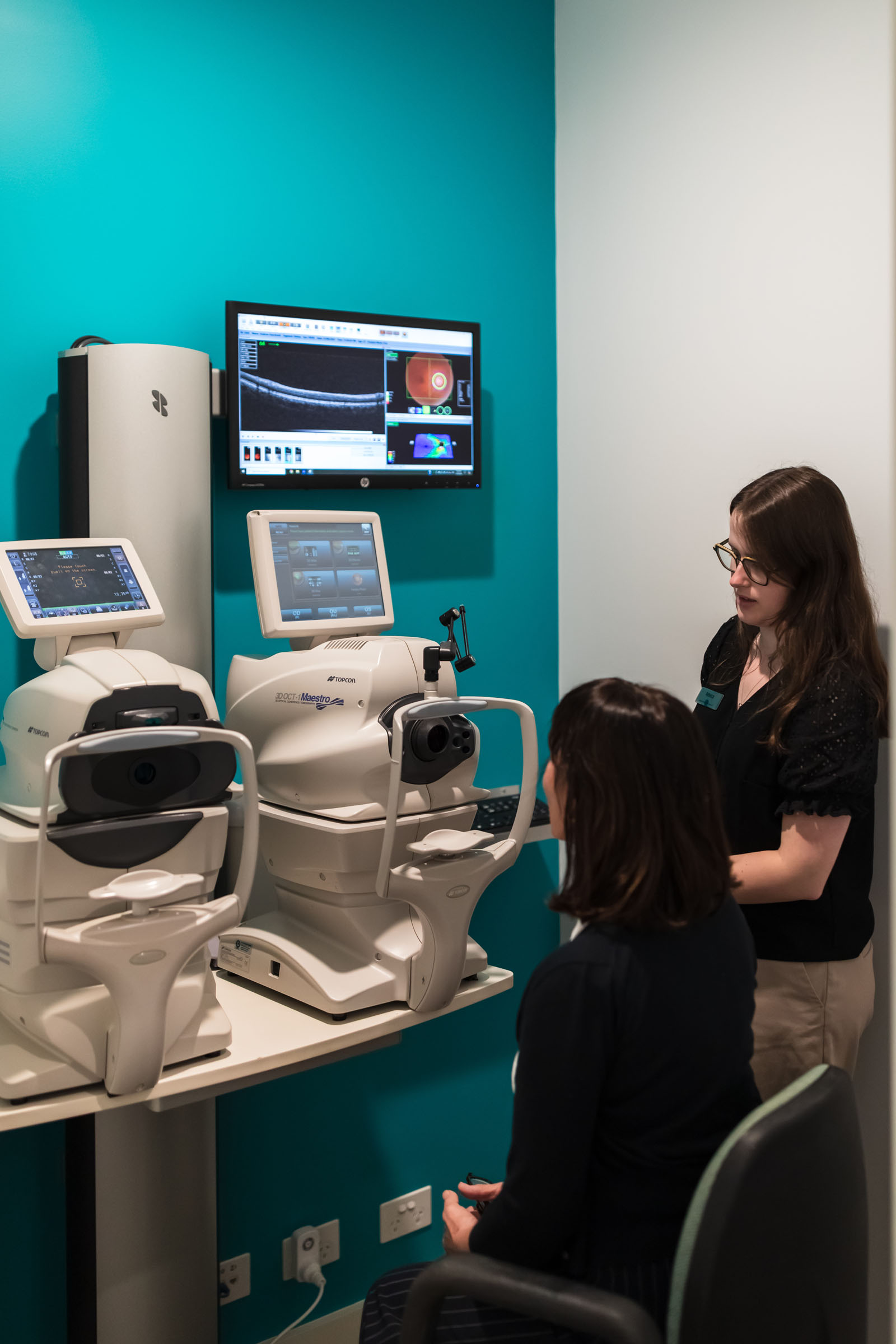
Glaucoma is detected through a series of tests during a comprehensive eye exam, including measuring intraocular pressure, examining the optic nerve – at Beckenham Optometrist this is done with OCT imaging, assessing the drainage angle, and visual field testing. No single test is sufficient and a thorough assessment considers all findings together.
Is the 'puff of air' test enough to check for glaucoma?
The air puff test measures intraocular pressure, which is one risk factor for glaucoma – but it is not a glaucoma test on its own. Normal pressure does not rule out glaucoma (a significant proportion of cases occur at normal pressure), and high pressure alone doesn’t mean you have it. A proper assessment involves examining the optic nerve and visual field as well.