FAQs on Myopia
What is myopia and why is it becoming more common?
Myopia, or short-sightedness, is a condition where close objects are clear but distant objects appear blurry. It occurs when the eye grows too long. Myopia rates have increased dramatically worldwide over recent decades, linked to increased near work (screens, reading) and reduced time spent outdoors – particularly in children and young adults.
Can myopia be controlled or slowed in children?
Yes – myopia management is one of the most significant advances in modern optometry. Evidence-based options include specific myopia control spectacle and contact lenses, Atropine eye drops, and orthokeratology. Early intervention produces the best outcomes, as myopia typically progresses through childhood and adolescence.
What is orthokeratology (Ortho-K)?
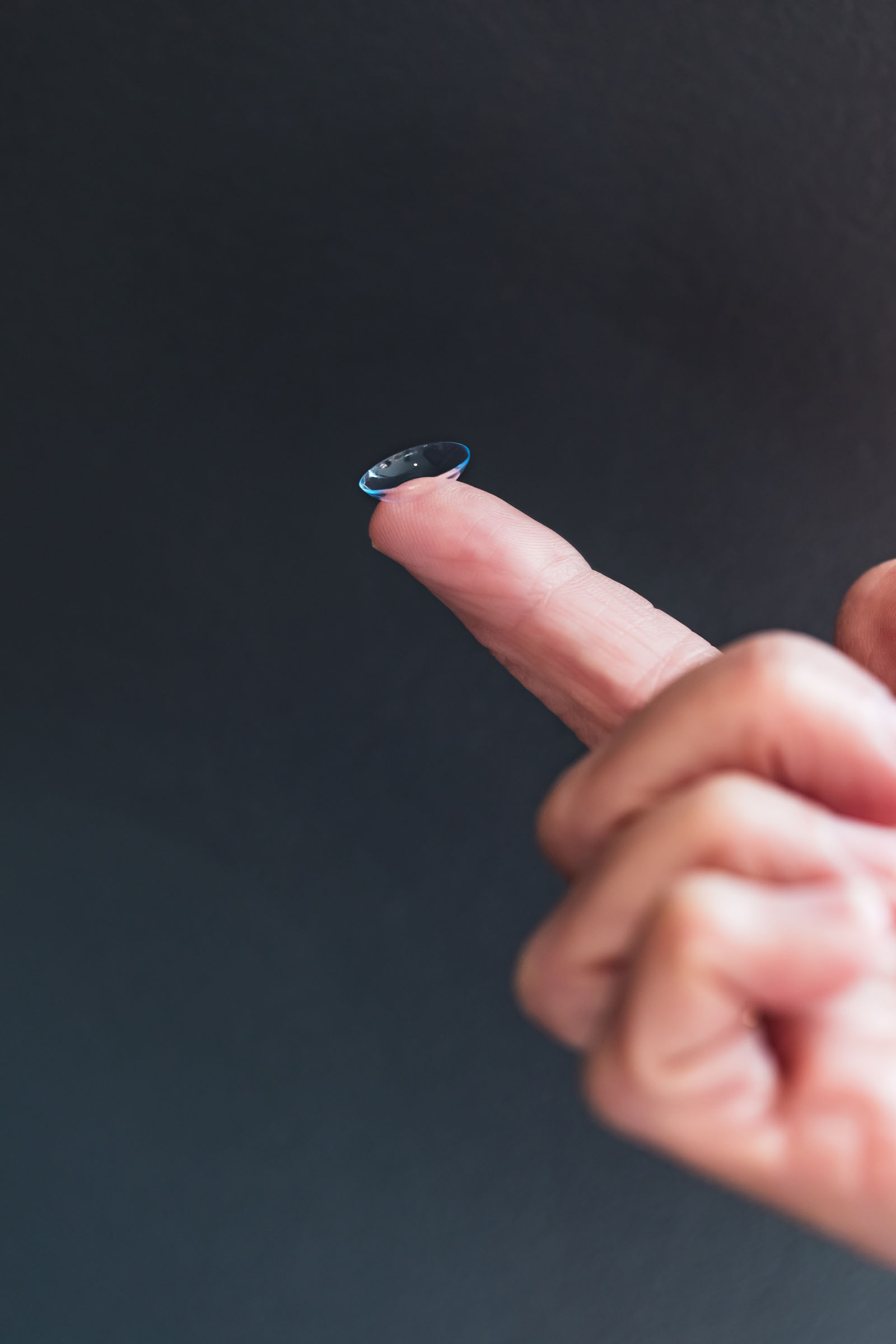
Orthokeratology involves wearing specially designed rigid contact lenses overnight. The lenses gently reshape the cornea while you sleep, providing clear vision throughout the day without glasses or contact lenses. It is also an effective myopia control strategy for children.
At what age does myopia usually start?
Myopia most commonly begins in school-age children, typically between 6 and 14 years old, and tends to progress until the early to mid-twenties when the eye stabilises. Children with two myopic parents have a significantly higher risk, as do those who spend little time outdoors or have high amounts of near work.
Does spending time outdoors really help prevent myopia?
The research is clear – outdoor time is one of the most protective factors against myopia onset. Studies suggest that around 2 hours of outdoor time per day is associated with reduced risk, likely due to exposure to natural light and the visual demands of viewing at distance. This is an easy, free and enjoyable intervention.