Beckenham Optometrists - 27
Book an eye test

Give your child the best start to life

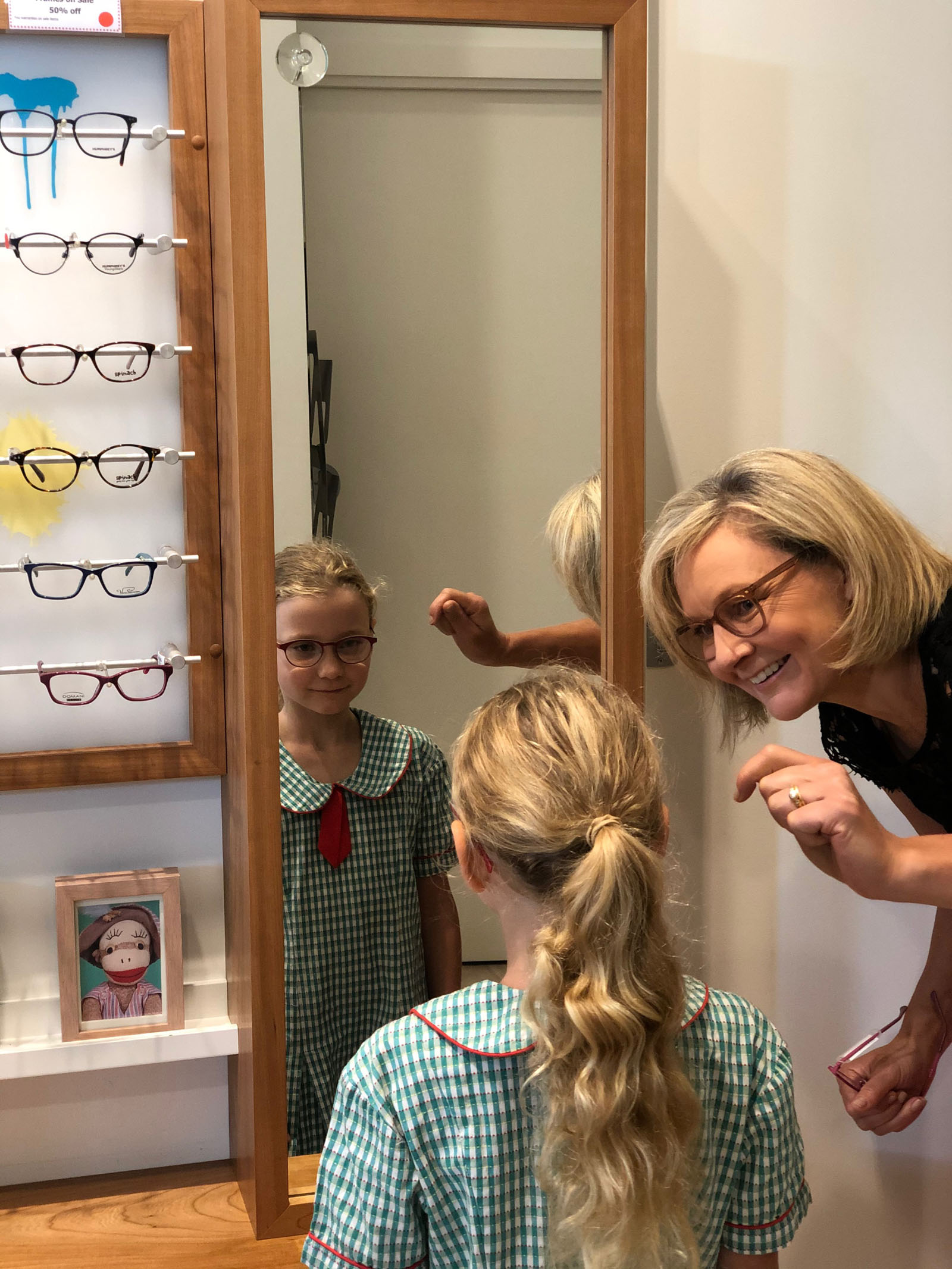
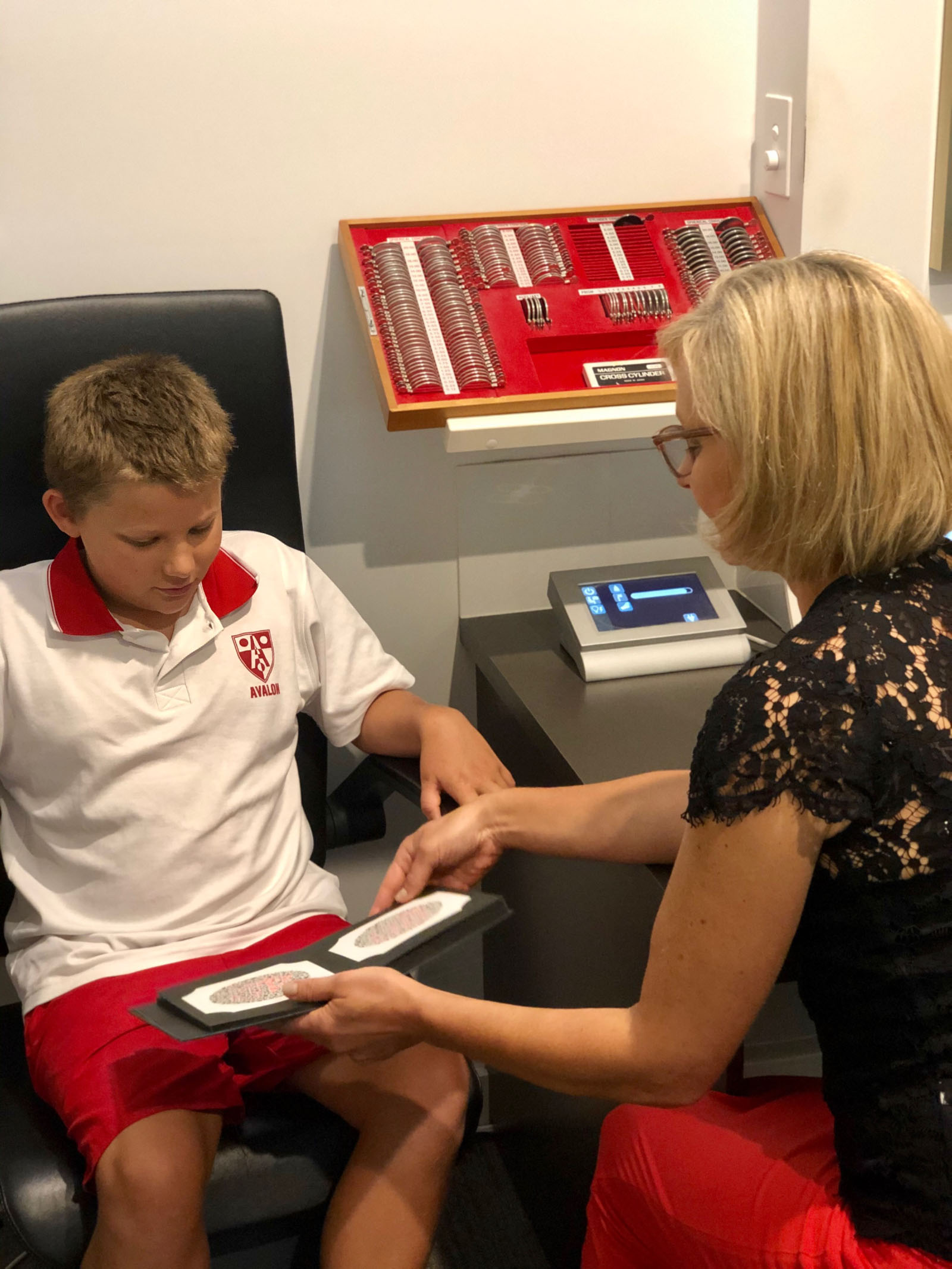
For your kids, the trip to the optometrist involves lots of fun learning about their eyes using cool instruments, games, torches, videos, 3D models, pictures and “robots”.

This enables us to look into their eyes and assess the way they function for sight and vision.

We see babies to young adults all the way through the education process, and we understand how vision impacts progress every step of the way.

Give your child the best start to life. Let us share the warning signs to look out for and help us teach them about good vision for life.

FAQs for Children’s Vision

At what age should my child have their first eye exam?
Children should have their first comprehensive eye exam by age 3, and again before starting school at around age 5. Early detection of conditions like amblyopia (lazy eye), strabismus (eye turn), or refractive errors is critical – these are far easier to treat in young children when the visual system is still developing.
Can children have eye exams covered by Medicare?
Yes, children’s eye exams are covered by Medicare in Australia. At Beckenham Optometrist we bulk bill the exam fee for eligible children and students. (Medicare conditions apply)
How do I know if my child has a vision problem?
Children may not report vision difficulties because they assume everyone sees the samenway as they do. Watch out for a child: sitting very close to the TV, squinting, covering one eye, losing place when reading, avoiding close work, or complaints of headaches or sore eyes. A school eye screening is not a substitute for a comprehensive exam.
Will my child need glasses if I wear them?
There is a genetic component to refractive errors like myopia (short-sightedness), hypermetropia (long sightedness) and astigmatism. So children of parents who wear glasses have a higher risk of needing them too. Regular eye exams from an early age allow us to monitor their vision and intervene early if needed.
What is amblyopia and can it be treated?
Amblyopia, commonly called lazy eye, occurs when the brain favours one eye over the other, reducing vision in the weaker eye. It’s most effectively treated in childhood while the visual system is still developing – treatment may include glasses, patching, or vision therapy. Left untreated, it can cause permanent vision impairment.

Good vision for life

We understand how vision impacts progress every step of the way.
Let us help you look after your child’s vision.


 

15 Old Barrenjoey Rd,
Avalon Beach NSW, 2107

Call: (02) 9918 0616 Book an Appointment